
The moment Erling Haaland hobbled off the Etihad pitch during City's FA Cup fourth-round tie against Tottenham on 25 January, clutching his right foot and shaking his head at the turf, something shifted in the air inside the stadium. Everyone in the building knew — perhaps Guardiola most of all — that a calculus had just changed. Six weeks on, with the Premier League title race entering its decisive phase and the Champions League last-eight draw looming, Manchester City are still waiting for their most important player to pull on his boots.
The diagnosis, confirmed by City's medical staff three days after the incident, was a stress reaction in the second metatarsal of Haaland's right foot. Not a fracture, which offered some early relief, but serious enough to rule him out indefinitely. "Indefinitely" in football-club parlance tends to mean they know and will not say. What sources close to the rehabilitation process have indicated to this publication is that the Norwegian has been progressing well in pool work and non-contact gym sessions, but that any return before late March would carry meaningful re-injury risk. The club has not set a target date publicly, and Guardiola — speaking after City's 1-0 victory over Brentford last Saturday — was characteristically opaque: "When he is ready. No sooner."
What the Numbers Say
The statistical case for Haaland's importance to Manchester City is one of the most exhaustively made in modern English football, yet the data from the past six weeks presents it with new clarity. Before the injury, City had averaged 2.4 goals per game across all competitions in 2025-26. In the eleven matches since he was ruled out, that figure has dropped to 1.6. Shots on target per game: down from 6.1 to 4.4. Expected goals per 90: from 2.07 to 1.51.
These are not catastrophic numbers — City have still accumulated 19 points from a possible 27 in the Premier League without him — but they tell a story about the nature of the team's attacking threat. Haaland is not merely a finisher; he is a gravitational force. Opposing centre-backs cannot step out to press City's midfield when they know he is lurking 30 yards behind them. With him absent, defenders can hold a higher line, compress the space between the lines, and afford to push a man into City's build-up. The effect ripples back through the whole system.
| Metric | With Haaland (2025-26) | Without Haaland (6 weeks) |
|---|---|---|
| Goals per game (all comps) | 2.4 | 1.6 |
| xG per 90 | 2.07 | 1.51 |
| Shots on target per game | 6.1 | 4.4 |
| Premier League points (per game) | 2.31 | 2.11 |
| Clean sheets (per game) | 0.41 | 0.55 |
| Wins from behind | 4 | 0 |
The one bright spot in those numbers — the improvement in clean sheets — is not coincidental. It reflects the tactical pivot Guardiola has made to compensate for the loss of City's most reliable route to goal.
Guardiola's Tactical Rethink
Guardiola's response to Haaland's absence has been to pull the team's centre of gravity backward. City have lined up in a 4-2-3-1 or a narrow 4-3-3 in most of their post-Haaland fixtures, rather than the direct 4-3-3 built around Haaland's vertical runs that defined their play through the autumn. The pressing triggers have changed: rather than launching attacks from goal kicks directly into Haaland's chest, City are recycling possession through Rodri and the full-backs before probing in wider areas.
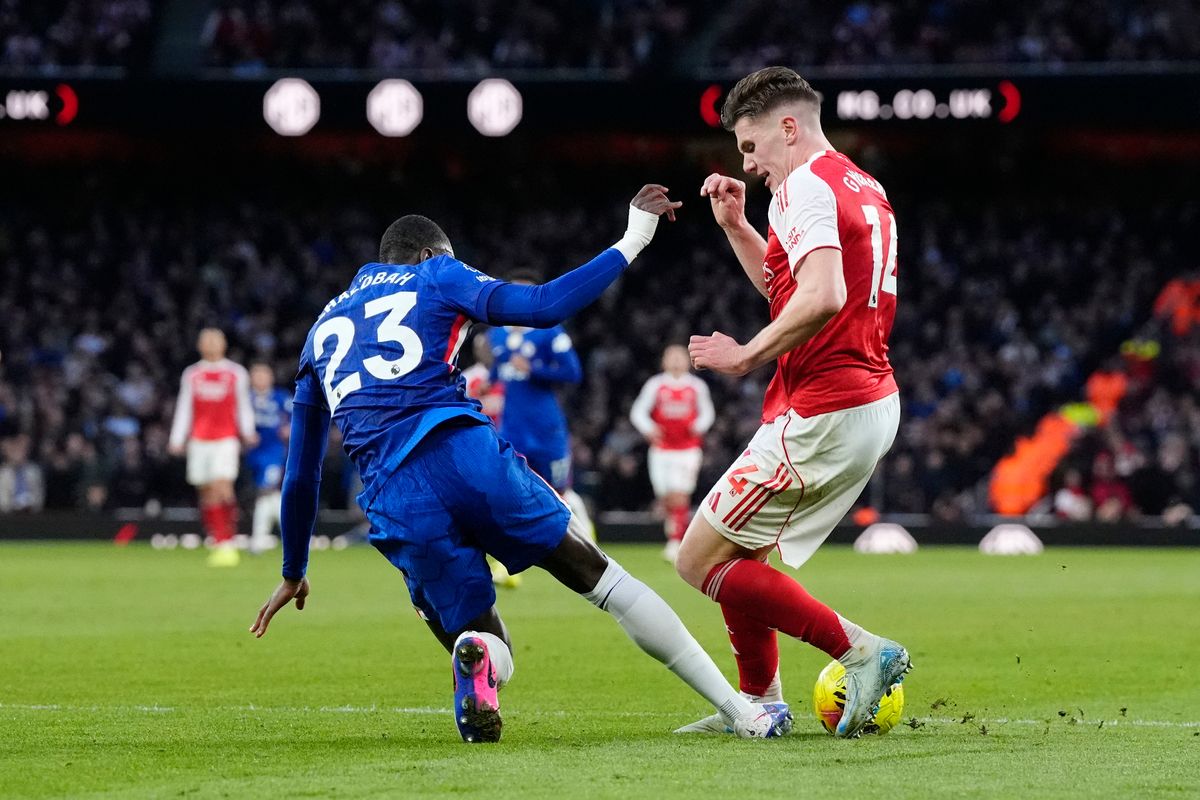
Most tellingly, Guardiola has leaned into Phil Foden as a de facto false nine in five of the eleven matches — a role Foden occupied with mixed results under Guardiola during Kevin De Bruyne's injury absences in earlier seasons. The 25-year-old is inventive enough in tight spaces to make it work, but he lacks the physical presence to pin centre-backs, and opposition defences know it. Arsenal's William Saliba barely broke sweat during City's 1-1 draw at the Emirates a fortnight ago, a match that encapsulated the problem: City created chances, but none that required a defender to commit fully.
"Without Erling, we have to be more patient. We cannot just go direct. We have to earn our moments through the game, through combinations. The players understand this." — Pep Guardiola, post-match press conference, 28 February 2026
Who Has Stepped Up
The honest answer is: no one has stepped up in the way that matters most — nobody has replaced the goals. But several players have elevated their contributions in ways that have kept City competitive.
Jeremy Doku has been the most dynamic performer of the post-Haaland era. The Belgian winger has four goals and three assists in the past six weeks, operating as City's primary ball-carrier from wide areas and cutting inside to create shooting opportunities that previously would have fallen to Haaland on the end of crosses. His willingness to take on defenders repeatedly — he averages 5.8 dribble attempts per 90, the highest in City's squad — has given City a directness they would otherwise entirely lack.
Bernardo Silva, deployed as a high-press coordinator in the 4-2-3-1, has quietly been City's most consistent performer through the period. His defensive work rate — 4.2 pressures per 90 in the attacking third — has helped City win the ball high up the pitch even without the threat of Haaland's runs to trigger opponents into rushed clearances.
Oscar Bobb, the young Norwegian who has shown glimpses of top-level quality since his breakthrough last season, has started three of the eleven matches and scored once — a composed finish against Aston Villa that suggested he may yet have a role to play in the run-in. His mobility and willingness to make runs in behind are qualities Guardiola values, but he remains unproven over sustained periods and has yet to impose himself at the highest level.
The League Position
Entering the weekend of 7-8 March, Manchester City sit third in the Premier League table, four points behind leaders Arsenal and two behind Liverpool in second. It is a position that felt almost unthinkable at the turn of the year, when City were top and Haaland was on course for a 30-goal season. The title is not gone — there are twelve games remaining — but City cannot afford many more dropped points, and the fixture list in the next three weeks is unforgiving. Trips to Anfield and Old Trafford bookend a home game against Spurs, a schedule that would test any team, let alone one missing its leading scorer.
The concern among City's coaching staff, according to sources familiar with internal discussions, is less about the team's defensive solidity — which has actually improved under the more conservative shape — and more about their capacity to break down well-organised defences in the kinds of close matches that decide title races. In their 0-0 draw at Wolves in mid-February, City had 73% possession and managed just two shots on target. Wolves sat deep, denied Haaland's replacement — Foden operating centrally — any space, and strolled out with a clean sheet. It was a blueprint. Others have noted it.
Champions League: The Real Prize
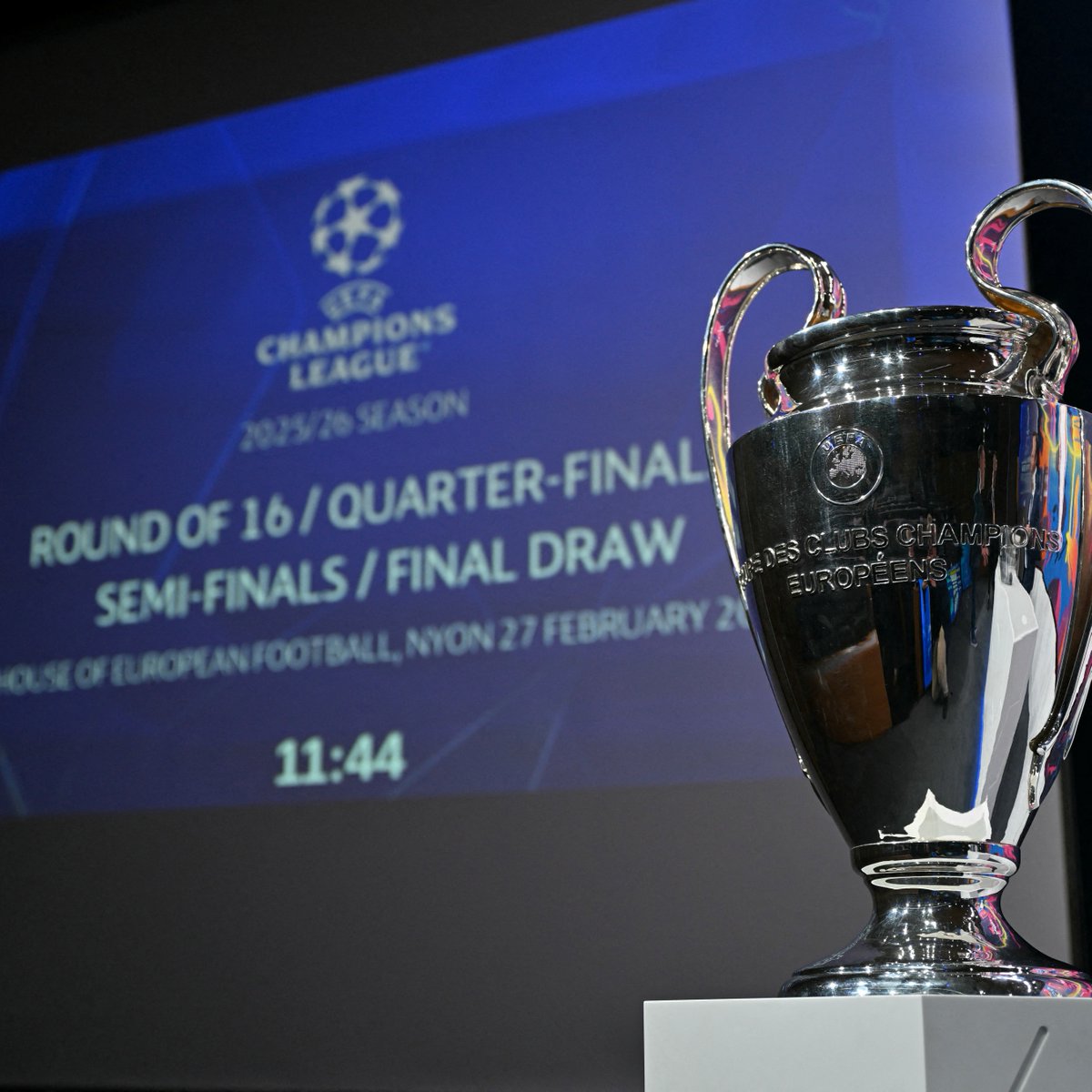
If the Premier League title is slipping, the Champions League remains very much within reach, and it is here that Haaland's return date becomes truly critical. City face Porto in the quarter-final first leg on 7 April — just under four weeks away. That date has become the informal target around which Haaland's rehabilitation is being planned. The medical team are not rushing him, but there is an understanding that a fit Haaland for the European knockout stage changes City's ceiling entirely.
Porto, who eliminated Bayern Munich in a memorable last-16 tie, present a different challenge from the kind of compact, low-block Premier League opposition City have been struggling against. They press high and leave space in behind. They are exactly the kind of team Haaland punishes — his record against pressing sides in the Champions League group stage and knockouts is extraordinary, with 14 goals in his last 10 European starts.
Should City progress past Porto, a potential semi-final against Real Madrid or Barcelona would come in late April and early May — a window in which, even on the most conservative rehabilitation timeline, Haaland should be available. Guardiola has won the Champions League three times. He knows that tournaments are won in April and May. Getting Haaland fit for those weeks, even if it means managing his minutes carefully in the league between now and then, may be the calculation being made quietly at the Etihad's training complex.
Return Date: What to Expect
Based on the available medical evidence and the timeline of similar metatarsal stress reactions at elite level, a return to full training by the week of 16-20 March appears realistic. That would put Haaland in contention for a place on the bench for City's Premier League fixture against Spurs on 21 March, with a potential first start in the away game at Liverpool on 28 March — a match that could define the title race.
But those familiar with Guardiola's caution around long-term injury management will note that the manager rarely rushes players back into competitive action. If Haaland needs an extra week to feel confident in his movement and his striking technique, Guardiola will give it to him. The Porto first leg on 7 April remains the likeliest date for his full return to a starting eleven — and arguably the most important.
Manchester City without Erling Haaland have been, over the past six weeks, a team managing a wound rather than thriving. They have not collapsed. They have ground out results, kept clean sheets, and stayed in touching distance of both their major targets. But there is an honesty running through their performances that speaks to the size of what is missing: they are a different side without him, and they know it. The question now is whether Guardiola can keep the plates spinning just long enough for the main act to return.

Join the Discussion
Share your thoughts on this article