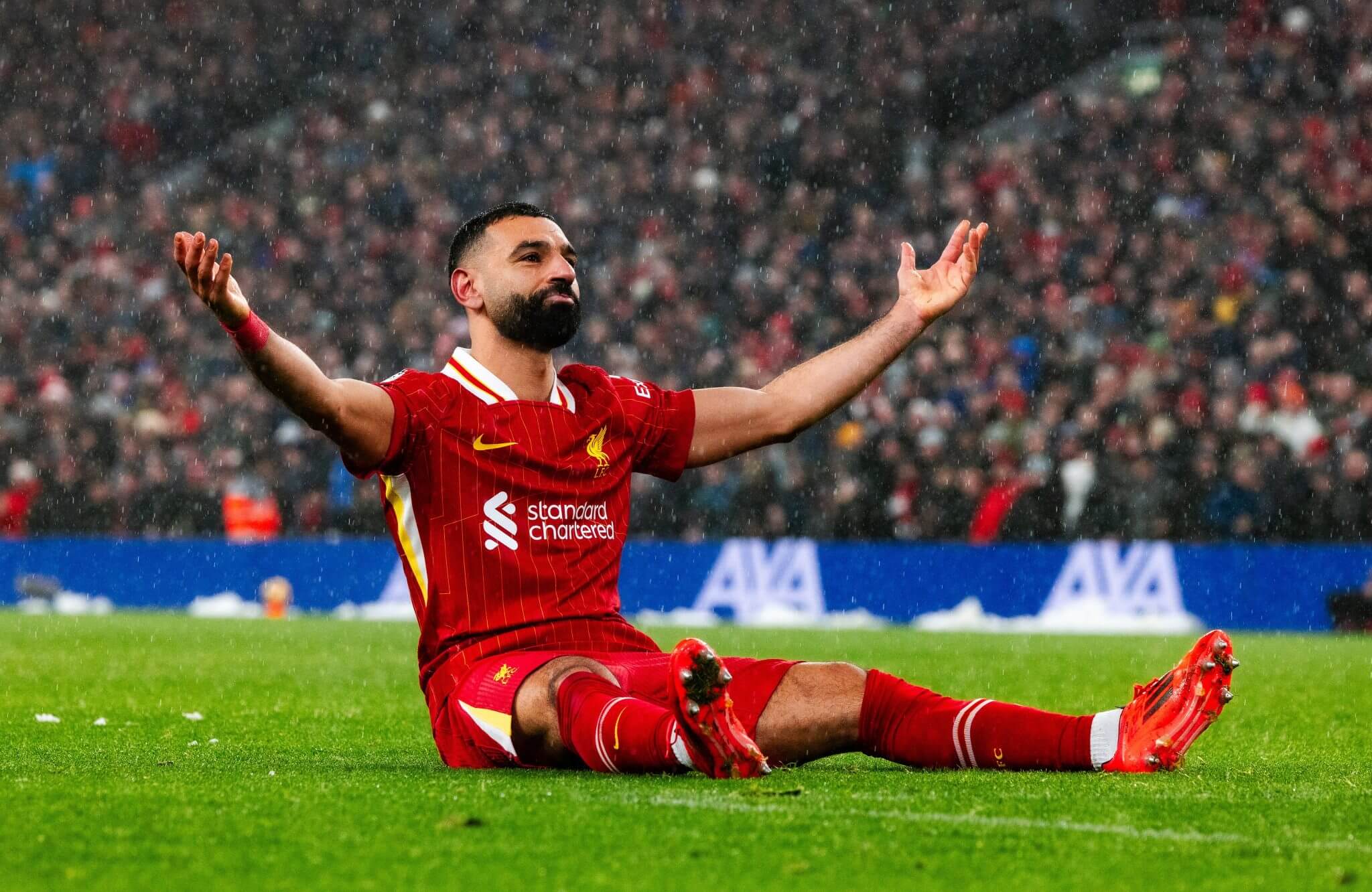
Liverpool Football Club, once the benchmark for tactical brilliance and mental fortitude in English football, are no longer the powerhouse they used to be. The 2025 season paints a stark picture of a side struggling to maintain the high standards that made them Premier League champions only two years ago. Under Arne Slot, Liverpool remain a top-four contender, but the careful balance of tactical aggression and defensive reliability that defined the Jürgen Klopp era has collapsed.
From Champions to Chasing Shadows
In the 2024–25 Premier League season, Liverpool won 25 matches, drew 9, and lost only 4—finishing as champions with a stunning 86 goals and one of Europe's most feared attacks. Fast forward to 2025–26, and the decline is measurable in every department. The Reds currently sit 4th in the table with an average of just 1.91 points per game, a sharp drop from the 2.63 points per game that secured them the title.
Liverpool's attacking output has slowed dramatically. Top scorer Hugo Ekitike leads with just 3 goals in 6 matches, followed by Mohamed Salah and Cody Gakpo with 2 each—numbers far below the 2024 peak, when Salah alone scored over 25 league goals. The drop in goals per match (from 2.26 last season to only 1.43 this campaign) reveals a team struggling to convert dominance into victories.
Possession Without Penetration
Statistically, Liverpool still appear strong on paper, boasting 59% average possession and 90% passing accuracy across their opening European fixtures. Yet, these numbers tell a misleading story. While the Reds dominate the ball, their pressing intensity and direct threat have diminished. Liverpool now average just one clear chance per match, compared to nearly five during their 2019–2022 peak under Klopp.
Analysts describe this as "possession without penetration"—a predictable build-up lacking the explosive transitions that once terrified opponents. In Arne Slot's system, high defensive lines and slow recycling of play have made them vulnerable on counters, conceding 1.5 goals per Champions League match this season without a single clean sheet.
Defensive Frailties and Lost Identity
Liverpool's defense, once orchestrated flawlessly by Virgil van Dijk, has lost cohesion. The club has already conceded 41 goals in their last 38 league matches, ranking 19th defensively among top-flight sides. Their expected goals against (xGA) of 38.14 suggests opponents are generating too many high-quality chances.
Van Dijk's leadership remains vital, but even he admitted after the 2–1 defeat to Manchester United that Liverpool's goals conceded were "very sloppy" and the team must "regain concentration and humility". New defensive signings like Milos Kerkez and Ibrahima Konaté struggle to maintain consistency, while the midfield offers little cover for fast transitions—a weakness repeatedly exploited by opponents.
The Attack No Longer Bites
Liverpool's attack—once their hallmark—has become predictable. Despite having creative talents like Florian Wirtz, Dominik Szoboszlai, and Federico Chiesa, the front line lacks the cohesion of the Salah-Mané-Firmino trio that made them Europe's deadliest unit.
- Hugo Ekitike: 3 goals in 6 games but inconsistent link-up play.
- Mohamed Salah: now 32, showing signs of physical decline with fewer sprints and dribbles completed per 90 minutes.
- Cody Gakpo: productive but wasteful—2 goals and 2 assists from 18 shots.
Liverpool's crossing accuracy has dropped to just 27.5%, indicating a lack of precision and direction in the final third. Their clear chances created per match have halved compared to the title-winning side, exposing problems in tactical fluidity and confidence.
The Mental and Physical Drop-off
From being known as "mentality monsters," Liverpool now often crumble under pressure. The team has failed to win any of its last six matches after conceding first, showing a worrying mental fragility absent during their years of dominance. Players seem physically drained, too—distance covered per match has fallen to 118 km, compared to 127 km in the 2024–25 title run.
The lack of rotation compounds this problem. Liverpool have used fewer players than most Premier League clubs, with eight players appearing in nearly every fixture. The overreliance on key starters reflects both a shallow bench and tactical inflexibility.
Statistical Summary of the Decline
| Category | 2024–25 Season | 2025–26 Season | Change |
|---|---|---|---|
| Average goals per match | 2.26 | 1.43 | ↓ Major decline |
| Goals conceded per match | 1.08 | 1.50 | ↑ Defensive drop |
| Possession (%) | 58 | 59 | – Statistical stability but less pressing |
| Duel success rate (%) | 53 | 48 | ↓ Physical battles lost |
| Clean sheets | 14 | 0 (this season) | ↓ Severe defensive instability |
| Average distance covered (km) | 127 | 118 | ↓ Less intensity |
Fans and Experts Voice Concern
Former Liverpool defender Jamie Carragher described the current side as "caught between two identities." On Sky Sports, he explained that Slot's attempt to mix possession control with heavy pressing has left players uncertain of their structure. Meanwhile, supporters have taken to social media to question Liverpool's transitional defense and passive pressing game.
Many fans long for the emotional leadership of Klopp—a manager capable of extracting total commitment from tired legs. Others believe Arne Slot deserves more time to mold the squad, arguing that rebuilding after the Klopp era was always going to require patience.
Where Liverpool Go From Here
Liverpool's challenge is both tactical and psychological. The recruitment team must strengthen midfield depth and defensive reliability in January if they are to remain competitive in both the Premier League and Champions League. The squad's average age of 26.8 offers some promise, suggesting there's still a foundation to build upon.
However, unless Arne Slot restores the pressing intensity, creativity, and unity that defined Liverpool's golden era, the Reds risk drifting further from England's elite. Their upcoming matches against Brighton, Arsenal, and Eintracht Frankfurt in Europe could become defining moments for the club's season—and perhaps the Slot project as a whole.
The harsh truth is that Liverpool's aura of invincibility has faded. From tactical dominance to technical disconnect, they now look like a team wrestling with its identity. To reclaim their legacy, Liverpool need more than possession—they need purpose, passion, and the relentless hunger that once made them the best team in the world.