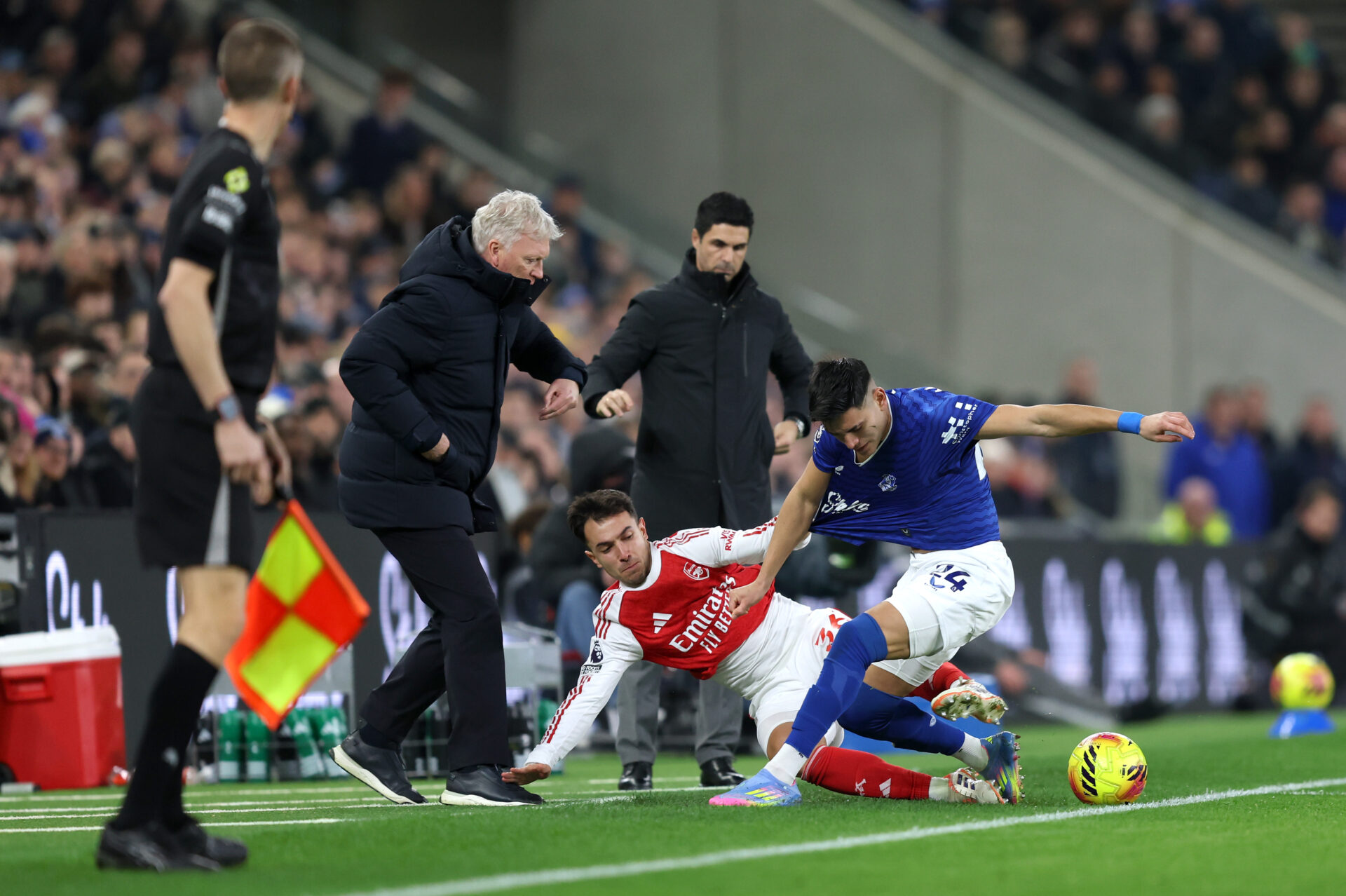
The Premier League's decision to reschedule Everton's clash with Arsenal from Sunday, March 15, 2026, to Saturday, March 14, 2026, exposes the league's shambolic fixture planning. With Arsenal's UEFA Champions League commitments looming, the move was necessary to avoid a fixture pile-up. But for Everton, sitting ninth in the Premier League table, the short notice has sparked justified criticism.
The Rescheduling Dilemma
The match, originally set for a 2 PM kick-off on Sunday, March 15, has been moved to a 5:30 PM slot on Saturday, March 14. The change comes just two weeks before the fixture, a far cry from the Premier League's usual aim of providing six weeks' notice. This abrupt alteration is a direct result of Arsenal's Champions League round of 16 second leg against Bayer Leverkusen, scheduled for Tuesday, March 17, 2026.
The Premier League's initial confirmation of the match date on January 21, 2026, was always tentative. The league's statement that they 'aim to provide supporters with six weeks’ notice to confirm broadcast selections' underscores the complexity of managing fixtures for clubs involved in multiple competitions. The rescheduling was finalized on February 27, 2026, following the Champions League draw, leaving fans and clubs scrambling to adjust.
Impact on Everton
For Everton, the rescheduling is yet another disruption in a season that has seen its fair share of challenges. The Toffees are set to face Newcastle United away and Burnley at home before their trip to the Emirates. The short notice has drawn criticism from journalists like Patrick Boyland, who described the situation as 'ludicrous.' Boyland's assessment highlights the frustration among fans and pundits alike, who argue that such last-minute changes disrupt travel plans and fan engagement.
The Premier League's frequent alterations to fixtures, especially for clubs involved in European competitions, are not new. However, the impact on clubs like Everton, who are not in European competition, is often overlooked. The league's decision to prioritize Arsenal's Champions League commitments over Everton's domestic schedule raises questions about fairness and the need for a more balanced approach to fixture management.
Broadcast and Fan Considerations
The rescheduled match will be broadcast live on Sky Sports in the UK, ensuring that fans can still catch the action despite the change. However, the short notice poses challenges for supporters planning to attend the match. The Premier League's aim to provide ample notice is a nod to the importance of fan engagement, but the reality of managing multiple competitions often leads to compromises.
The situation is reminiscent of a previous incident where Everton's home game with Arsenal was moved at short notice due to a schedule pile-up over Christmas. Such incidents highlight the need for a more flexible and considerate approach to fixture scheduling, one that balances the needs of all clubs involved.
Tactical Implications
From a tactical standpoint, the rescheduling could have significant implications for both teams. Arsenal, already dealing with the rigors of Champions League football, will have to manage their squad rotation carefully. The short turnaround between the Everton match and the Bayer Leverkusen fixture means that Mikel Arteta will need to balance the demands of both competitions.
For Everton, the rescheduling provides an opportunity to prepare for Arsenal with a bit more time. However, the short notice means that any tactical adjustments will have to be made swiftly. Sean Dyche, Everton's manager, will need to ensure that his team is ready for the challenge, despite the disruption to their schedule.
The Bigger Picture
The rescheduling of the Everton vs. Arsenal match is a microcosm of the broader challenges faced by the Premier League. The league's commitment to providing a competitive and entertaining product is often at odds with the logistical realities of managing multiple competitions. The need to balance the interests of all clubs, from European contenders to those fighting for survival, is a complex task that requires careful consideration and planning.
As the Premier League continues to evolve, the need for a more transparent and equitable approach to fixture scheduling will become increasingly important. The rescheduling of the Everton vs. Arsenal match serves as a reminder of the delicate balance that must be struck between competition and logistical practicality.
The Premier League's decision to reschedule the match is a necessary one, but it is not without its challenges. For Everton, the short notice is a frustration, but it is also an opportunity to rise to the occasion. For Arsenal, the move is a testament to the demands of competing at the highest level. As the season progresses, the impact of this rescheduling will become clearer, but one thing is certain: the Premier League's ability to manage such complexities will be crucial to its continued success.



Join the Discussion
Share your thoughts on this article