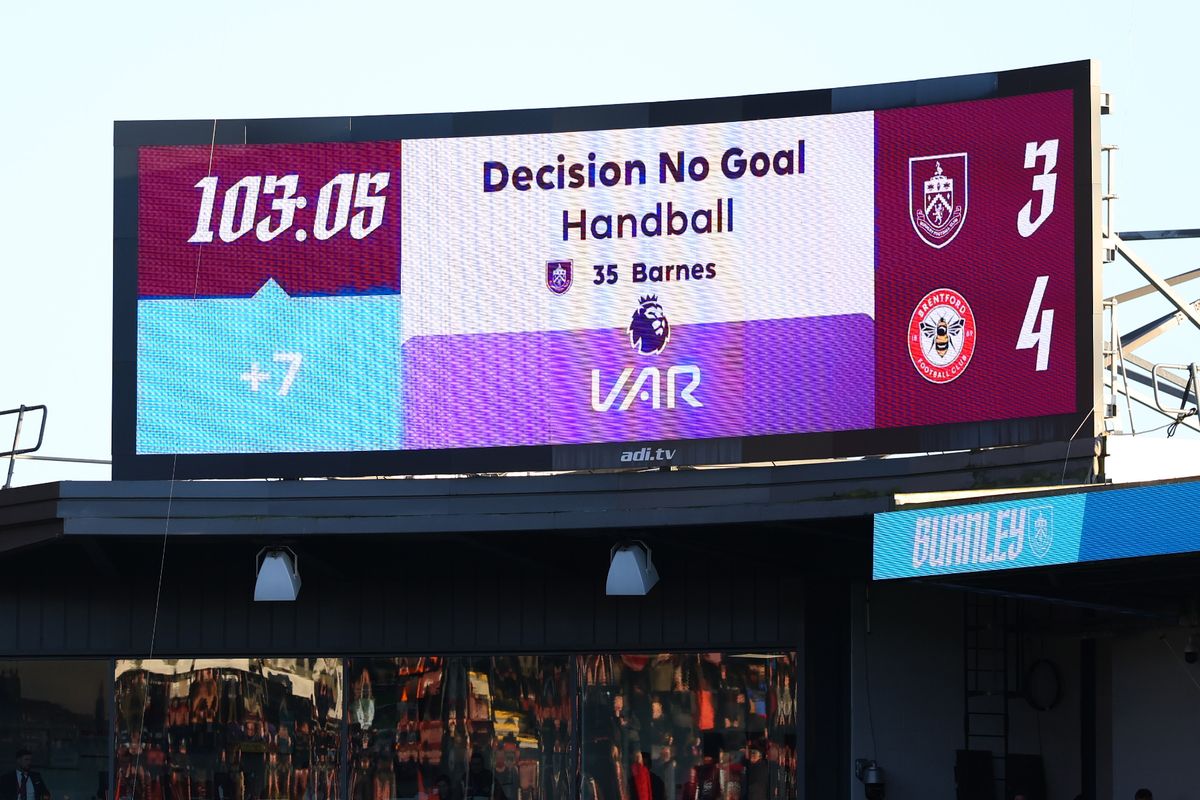
In the 67th minute, Burnley's Jay Rodriguez thought he'd scored a crucial equalizer against Brentford, only for VAR to rule it out for a marginal offside. The decision was a gut-punch to the Clarets and a lifeline for Brentford, sparking a furious reaction from Burnley boss Sean Dyche, who stormed down the touchline in protest.
The Match That Had Everything
Burnley's 3-4 defeat to Brentford was a microcosm of their season: thrilling, chaotic, and ultimately heartbreaking. The Clarets fought back from 3-1 down to level, only to be denied by VAR and Brentford's clinical counter-attacking. Burnley's defense of the offside call was weak—Rodriguez was clearly ahead of the last defender when the ball was played—but the real issue is VAR's impact on the game's flow.
Burnley's disallowed goal was the moment that swung the match. The Clarets had shown fight, with Ashley Barnes and Rodriguez both scoring, but Brentford's ability to kill the game on the break was the difference. Ivan Toney's late winner was harsh on Burnley, but Brentford deserved the win for their composure in the final third.
VAR Under the Microscope
VAR has become a parody of itself. Introduced to eradicate clear and obvious errors, it now interrupts matches for marginal calls like Burnley's disallowed goal. The technology is here to stay, but its implementation is a mess.
Brentford manager Scott Parker was diplomatic in his post-match press conference, but his frustration was clear. "It's a little bit of injustice, but that's football," he said. Parker's point is valid—football has always been about controversy, but VAR has turned every decision into a debate. The real issue is that VAR is now the story, not the football.
The Manager's Perspective
Sean Dyche was apoplectic with VAR after the match, and rightly so. His team fought back from a two-goal deficit, only to be denied by a decision that even the most ardent VAR supporter would struggle to defend. Dyche's frustration was palpable, and his post-match rant was a rare moment of honesty in the VAR debate.
Parker, meanwhile, was a model of professionalism. He acknowledged the controversy but refused to let it overshadow his team's performance. "We dealt with the game well," he said. "We showed character and quality." Parker's measured response was a stark contrast to Dyche's fury, but both managers were united in their belief that VAR is damaging the game.
The Broader Implications
The Burnley vs Brentford match was a case study in VAR's impact on football. The technology is supposed to improve accuracy, but it has also introduced a new level of controversy. The disallowed goal was a prime example—Burnley were robbed of a fair result, while Brentford benefited from a fortunate decision.
For Burnley, the defeat was a bitter pill to swallow. The Clarets have shown resilience all season, but their luck has run out. For Brentford, the win was a statement of their intent to challenge for European football. The Bees have been impressive this season, and their ability to handle pressure was evident in their late winner.
What Comes Next?
VAR is here to stay, but its implementation needs urgent review. The technology is causing more problems than it solves, and the Burnley vs Brentford match was a prime example. Football needs to find a balance between accuracy and preserving the game's spontaneity.
For Burnley, the defeat was a setback, but the Clarets have shown they can compete with anyone. Their fightback against Brentford was a testament to their spirit, and they will be hoping to build on that in their remaining matches. For Brentford, the win was a step towards their European dream. The Bees have been impressive this season, and their ability to handle pressure will be crucial in their quest for a top-six finish.
The debate over VAR will continue, but one thing is clear: football is a game of fine margins. The Burnley vs Brentford match was a reminder of the drama, the controversy, and the sheer unpredictability that makes the sport so compelling. As the season unfolds, fans, players, and managers alike will continue to grapple with the challenges and opportunities presented by VAR, seeking to find a balance that ensures fairness, accuracy, and the preservation of the game's spirit.


Join the Discussion
Share your thoughts on this article