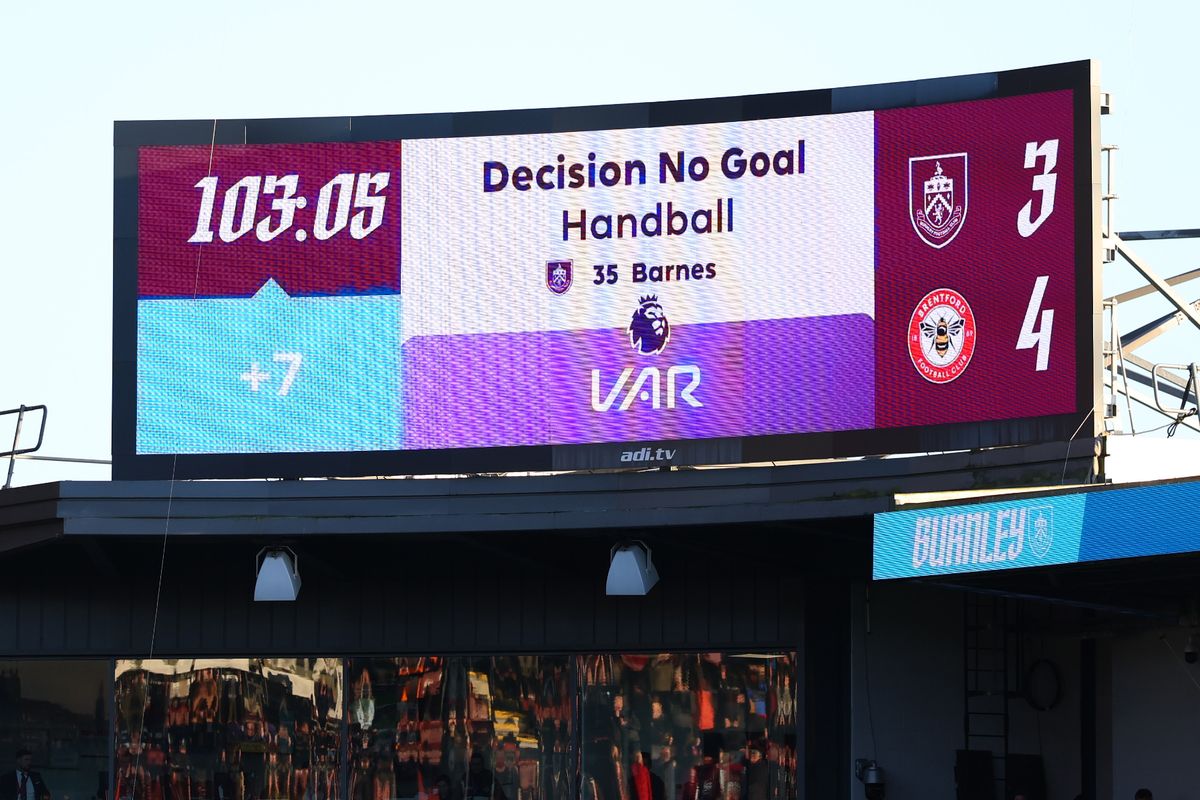
The 63rd minute of Burnley’s 3-4 loss to Brentford was a microcosm of VAR’s most glaring flaw: the technology’s obsession with pixel-perfect precision at the expense of common sense. With Burnley leading 3-2, Josh Brownhill’s goal was disallowed for an offside margin so minuscule it was laughable. The Clarets were robbed of a deserved point, and the Premier League was reminded once again that VAR is a blunt instrument wielded by officials who lack the courage to make decisive calls.
Burnley manager Sean Dyche was apoplectic post-match, and rightly so. "It’s not fair to the fans. It’s not fair to the players. It’s not fair to anyone," he fumed. Dyche’s frustration wasn’t just about the result—it was about the erosion of trust in officiating. VAR was supposed to eliminate controversy, but instead, it’s created a system where every marginal decision is met with skepticism.
The Decision That Changed Everything
The offside call that ruled out Brownhill’s goal was a perfect example of VAR’s overreach. The technology was designed to correct blatant errors, not to scrutinize every millimeter of every offside decision. Burnley’s players and fans were left stunned, and for good reason—the goal stood the test of time, but not the test of VAR.
This wasn’t just a goal; it was a moment that could have rewritten Burnley’s season. The Clarets had fought back from a deficit, showing grit and determination. But VAR snatched away their hard-earned point, leaving them with a bitter taste and a stark reminder that the game is now as much about technology as it is about talent.
The Manager’s Perspective
Sean Dyche’s post-match rant was a masterclass in controlled fury. He didn’t just criticize the decision—he dismantled the entire VAR system, and he’s not wrong. The technology is undermining the spirit of the game, and Dyche’s defiance is a rallying cry for managers who refuse to accept this new reality.
Dyche’s frustration wasn’t just about the result; it was about the impact on his players and fans. He’s right—football is an emotional game, and VAR is stripping away the passion and replacing it with cold, clinical analysis. It’s a dangerous path, and one that risks alienating the very people who make the game great: the fans.
The Broader Implications of VAR
The Burnley vs. Brentford match is just the latest example of VAR’s growing pains. The technology is being introduced in leagues worldwide, including the Irish Premiership, where it will debut in the BetMcLean Cup final. But the implementation has been a mess, and the Burnley incident is proof that VAR is doing more harm than good.
The debate over VAR’s role in football is far from settled. On one hand, it corrects clear and obvious errors. On the other, it introduces delays and decisions that are just as contentious as the errors they aim to correct. The Burnley vs. Brentford match is Exhibit A in the case against VAR—a technology that’s ruining the game.
The Impact on the Players and Fans
The disallowed goal wasn’t just a tactical setback for Burnley; it was an emotional gut-punch. The players, who had fought back from a deficit, were left to deal with the fallout of a decision they felt was unfair. The fans, who had hoped for a dramatic comeback, were left disappointed and frustrated.
Football is a game of emotions, and moments like these can leave a lasting impact. The players’ reactions on the field, the fans’ responses in the stands, and the manager’s post-match comments all highlight the human side of the game. While technology aims to improve accuracy, it’s the emotional responses that often define the game—and VAR is killing that.
The Future of VAR
The Burnley vs. Brentford match is a reminder that the debate over VAR is far from over. As the technology continues to be introduced in various leagues, the questions over its impact on the game will only grow. The aim is to improve accuracy and fairness, but the implementation must also consider the emotional and strategic aspects of the game.
For Burnley, the match was a missed opportunity, but it also highlighted the resilience of the team. For Brentford, it was a hard-fought victory that showcased their ability to handle pressure. For football as a whole, it was a moment that sparked a broader discussion about the role of technology in the game—and it’s a discussion that needs to happen sooner rather than later.
The future of VAR will be shaped by these debates and discussions. As the technology evolves, so too will the strategies and tactics of the teams that use it. The Burnley vs. Brentford match is just one chapter in this ongoing story, but it’s a chapter that will be remembered for its drama, controversy, and impact on the game.


Join the Discussion
Share your thoughts on this article